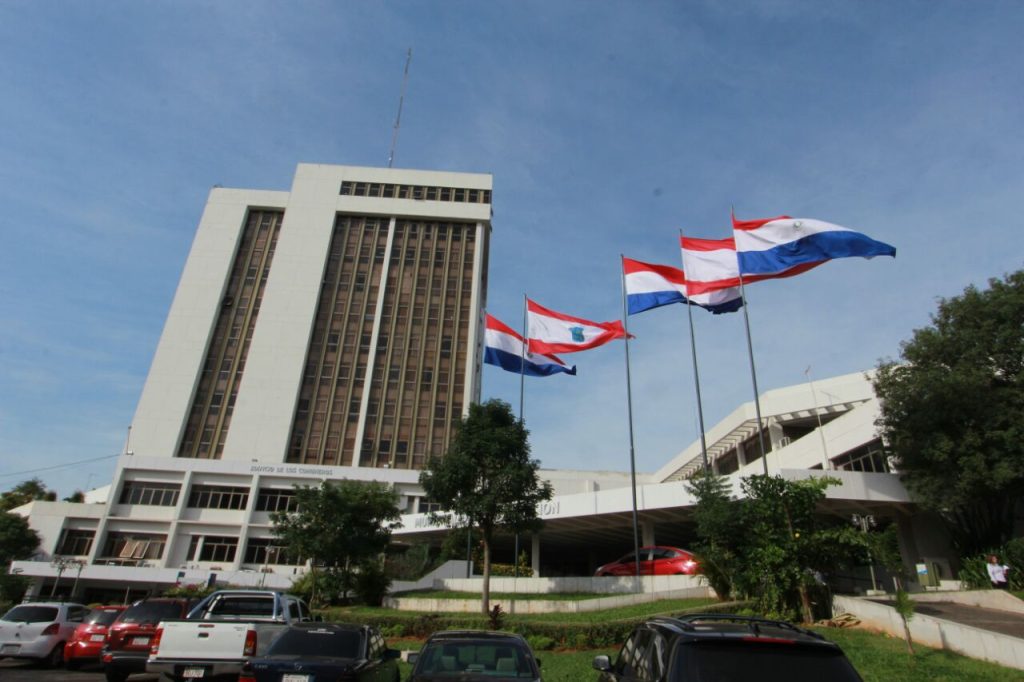

Asunción, Agencia IP.- The National Directorate of Migration is informing foreigners with temporary or permanent residency in Paraguay of the importance of considering current immigration legislation before leaving the country for extended periods to avoid the cancellation of their residency.
In this regard, the institution states that Article 55 of Law No. 6984/22 provides that the cancellation of residency entails the loss of the granted immigration status and the expiration of the right to remain in the country.
The regulations also stipulate that the National Directorate of Migration may cancel residency by means of a reasoned resolution in cases of the presentation of false documentation or the commission of immigration fraud, of unjustified absence from the country within the established timeframes, at the request of the resident, or of non-compliance with current immigration regulations.
Cancellation for unjustified absence from the country
The National Directorate of Migration also informs that Law 6984/22 establishes that the institution may cancel residency granted in cases of unjustified absence from the country for those who exceed the maximum periods established for remaining outside the national territory, in their capacity as resident foreigners.
In this context, it explains that cancellation for permanent residents may occur after more than three consecutive years of unjustified absence, while for temporary residents, it may occur after more than one consecutive year of unjustified absence.
If residency is canceled, the foreigner must leave the national territory within the period established by the immigration authority.
Failure to do so may result in the National Directorate of Migration ordering their expulsion, in accordance with the conditions and procedures established in current regulations.
However, the National Directorate of Migration clarifies that before exceeding the permitted absence periods, residents can request prior authorization from the institution to safeguard their immigration status and avoid the application of these measures.